


Post Update: The article was updated on January 29th, 2025, and originally published on February 10th, 2024. It has been completely revamped and updated for accuracy and comprehensiveness.
IN THIS ARTICLE:
Finding the right marriage counselor can make all the difference in your relationship. Whether you’re experiencing communication breakdowns, trust issues, or simply want to strengthen your connection, a skilled licensed marriage counselor can help. According to a study published in the Journal of Marital and Family Therapy, around 70% of couples who engage in couples therapy report significant improvements in their relationship.
Several factors go into finding a marriage counselor such as their qualifications and experience, therapy approach, and ensuring the logistics of working together will work for both your and your partner’s schedules.
Don’t wait until conflicts worsen. Start your journey to a healthier relationship today by finding a qualified mental health professional who can help you and your partner rebuild trust and communicate better. Let’s get started!

How to Find a Marriage Counselor: Key Considerations
Regardless of how you’re planning to find a marriage counselor, it is always important to take a thoughtful approach. By understanding your relationship needs and choosing the right mental health services for you and your partner, you can set your relationship on a path toward healing and connection and build a healthier marriage. Here are key factors to consider:
1. Understand Your Needs
Every relationship has its unique challenges, and it’s crucial to identify what’s affecting yours. Common issues couples face include communication breakdowns, emotional disconnection, substance abuse, or trust issues. Finding a marriage counselor who specializes in addressing your specific concerns is vital to creating lasting change.
Additional Reading: Learn more about the types of marriage counseling in Navigating Love Together: Exploring Different Types of Marriage Counseling.
Key Points:
- Identify your core relationship issues (e.g., power struggles, intimacy challenges).
- Look for a potential marriage counselor with experience in relationship therapy that matches your specific needs.
2. Look for Qualifications and Experience
Your marriage therapist should be licensed to provide couples counseling services by your state’s licensing board website. Common licenses for marriage counselors include a licensed marriage and family therapist (LMFT), a licensed professional counselor (LPC), a licensed clinical social worker (LCSW), or a licensed psychologist.
Credentials matter. A licensed marriage counselor should have a degree in marriage and family therapy, clinical psychology, or a related field. Specialized training in relationship counseling approaches, such as Emotionally Focused Therapy (EFT) or The Gottman Method, can make a significant impact. The research found that EFT had a 70% success rate for couples facing emotional disconnection. If you’re a military or veteran couple, you may also want to seek out a counselor with experience in working with diverse families.
Key Points:
- Ensure your counselor has formal education, such as a graduate degree, and is licensed.
- Ask about specialized training in evidence-based approaches like EFT or The Gottman Method.
Additional Reading: Explore the 5 Benefits of Marriage Counseling.
3. Ask for Referrals and Do Your Research
Start by asking trusted friends, family members, or healthcare professionals for recommendations. You can also ask your therapist if you’re undergoing individual therapy if they can recommend an experienced mental health professional with training in marriage counseling. While most marriage counselors do not take insurance, you should also ask your insurance company for a direct referral to a marriage counselor. They might suggest a few in-network couples therapists and marriage counselors in your area.
Additional Reading: Find out Why Marriage Counseling Is Important?
Finally, one of the easiest ways to find a licensed therapist is to complete a Google search. You can also use a therapist directory such as TherapyDen, ZenCare, or PsychologyToday that can help you find both local and online marriage counseling options. Check the counselor’s website, read reviews, and make sure they have a comfortable approach that aligns with your relationship goals.
Key Points:
- Ask for recommendations from people you trust.
- Research the counselor’s online profile, credentials, and therapeutic approach.

4. Consider Their Level of Experience
Not every marriage counselor has the same level of experience. Some counselors, especially those in training, work under the supervision of more experienced professionals. While choosing a counselor in training can be more budget-friendly, remember they are still building their skills, which may slow progress or lead to more mistakes.
For the best results, you’ll want to find a licensed marriage counselor with a solid track record of helping couples. Ideally, they’ll have additional certifications, focus primarily on couples therapy, and possess years of experience. It’s also worth considering if they specialize in areas that match your needs, such as healing from infidelity, managing trauma, or supporting military couples.
Additional Reading: Read more about Military PTSD and Relationships.
Key Points:
- Consider whether working with a counselor in training is a good fit for your budget and needs.
- Seek out a licensed marriage counselor with specialized experience in your specific relationship challenges.
5. Consider the Logistics of Working Together
Finding the right marriage counselor also means ensuring the logistics fit your life. First, check whether they offer in-person sessions or online therapy. If in-person, think about how convenient the location is for regular visits. Virtual sessions can offer more flexibility if your schedule is tight.
Additionally, you’ll need to discuss session frequency, availability, and cost. Keep in mind that while many couples counselors don’t accept insurance, some provide documentation for potential reimbursement. It’s essential to verify with your insurance provider what’s covered to avoid surprises.
Additional Reading: Learn How Long Does Marriage Counseling Take?
Key Points:
- Decide whether in-person or online sessions work best for you and your partner.
- Check session costs, frequency, and whether you can get reimbursed by your insurance.
6. Schedule a Consultation
Now that you’ve done your research and narrowed down a list of potential counselors, it’s time to schedule consultations. Make sure both you and your partner attend these initial meetings to get a feel for each counselor’s style and approach.
During the consultation, discuss your relationship goals and any questions you might have. Choose the counselor both of you feel comfortable with and give it a try. If after a few couples therapy sessions, it doesn’t feel like the right fit, don’t hesitate to switch to another counselor from your list.
Key Points:
- Schedule a consultation with each potential counselor and make sure both partners attend.
- Feel free to try different counselors until you find the one that feels like the best fit for your relationship.
Finding the right marriage counselor can feel like a big task, but taking the time to consider your needs, the counselor’s experience and the logistics will set you up for success. By focusing on these key factors, you’ll be well on your way to building a healthier, stronger relationship. Remember, therapy is a journey, and finding a counselor who aligns with your goals can make all the difference. Take that first step, and you’ll be one step closer to a more connected and fulfilling relationship.
How to Find a Marriage Therapist That’s Right for You
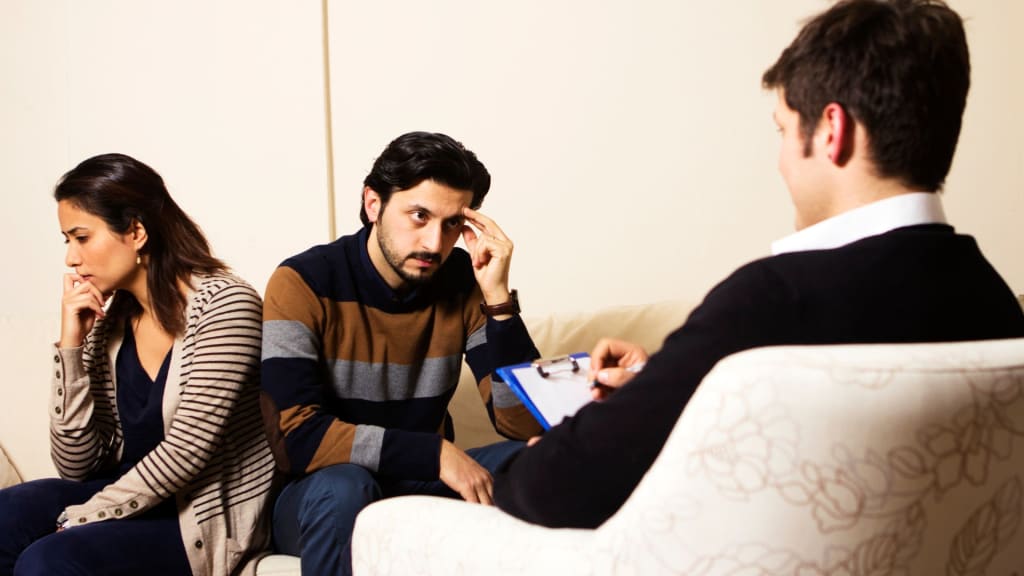
Now that we’ve covered the key considerations for finding a marriage counselor, you’re well on your way to making an informed decision. Understanding your relationship needs, looking for the right qualifications, and checking the logistics are all crucial steps. But how do you know if the counselor you’ve found is truly the right fit for you and your partner?
In this next section, we’ll dive into the finer details of how to find a marriage therapist that’s right for you—from ensuring their communication style aligns with your needs to choosing a therapeutic approach that resonates with your romantic relationship goals. Let’s explore what makes a great match between you, your partner, and your couples therapist.
1. Communication Style
It’s crucial to feel comfortable with your marriage counselor’s communication style and personality. Research shows that the therapeutic alliance—or how well you connect with your therapist—is one of the most significant factors in relationship therapy success. Couples who feel understood by their therapist are more likely to make progress. Having an initial consultation is a great way to gauge if the therapist’s approach and communication style align with your needs. You’ll want to ensure both you and your partner feel heard and understood.
Key points:
- Assess how the marriage therapist communicates during the initial consultation.
- Ensure you and your partner feel comfortable and understood.
2. Therapeutic Approach
Different therapists use various methods to help couples address their challenges. Popular approaches include Emotionally Focused Therapy (EFT), which focuses on building emotional connections; Cognitive Behavioral Therapy (CBT), which targets thought patterns; and Imago Therapy, which helps couples understand each other’s unmet childhood needs. Some therapists, like our marriage therapists at Communicate & Connect Counseling, specialize in EFT, offering a personalized, evidence-based approach to strengthening emotional bonds.
Key points:
- Identify which type of couples therapy resonates with your relationship needs.
- Consider a therapist who specializes in EFT or other evidence-based methods like CBT or Imago Therapy.
3. Marriage Intensives
If you and your partner are looking for a more focused and accelerated approach to relationship therapy, marriage intensives might be the solution. Unlike traditional couples therapy sessions, which are spread over several weeks or months, a marriage intensive offers a concentrated experience, typically lasting one to three days. This short-term therapy allows couples to dive deep into the core issues affecting their relationship in a safe, structured environment.
During an intensive, couples work closely with a licensed marriage counselor to address long-standing problems, emotional disconnection, or unresolved conflicts. These counseling sessions are designed to foster breakthroughs that are often difficult to achieve in regular weekly therapy.
Additional Reading: Read more about Marriage Intensive Retreats: Empower Your Bond and Embrace Happiness.
At Communicate & Connect Counseling, our Marriage Intensives are led by highly trained couples therapists who specialize in EFT. This evidence-based therapeutic approach is designed to help couples rebuild emotional bonds, improve communication, and create a stronger, more connected relationship.
Key Points:
- Deep, concentrated focus on the relationship goals and challenges you and your partner face.
- Opportunity to work intensively with a skilled therapist to resolve core issues and foster lasting connection.
If you’re ready to make a significant investment in your relationship, a Marriage Intensive could be the transformative experience you’ve been looking for.
Finding a mental health counselor who’s the right fit can make all the difference in your journey toward a healthier, more connected relationship. With so many approaches to couples therapy, it’s important to choose someone whose communication style and methods resonate with both you and your partner.
Marriage Counseling vs Relationship Therapy for One: What’s the Difference?
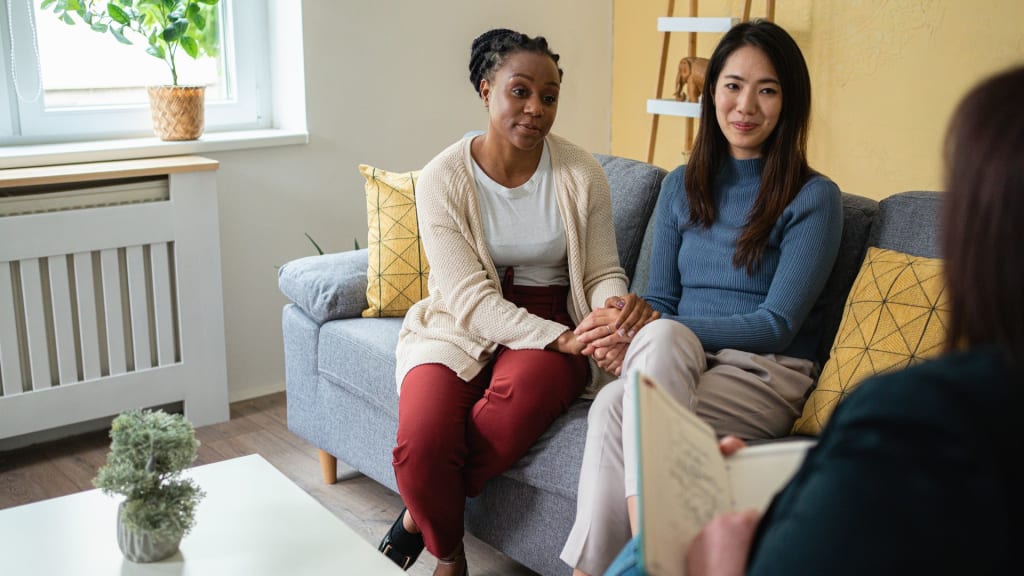
When it comes to relationship therapy, it’s important to understand the difference between marriage counseling for couples and relationship therapy for individuals. Both forms of therapy aim to improve relationships, but the focus and approach differ.
Marriage Counseling
Marriage counseling is centered around resolving conflicts and strengthening the bond between two partners. During couples therapy sessions, therapists help couples create specific goals for couples therapy, which might include improving communication skills, rebuilding emotional connection, or enhancing sexual intimacy.
Additional Reading: Read more about What Does Marriage Counseling Help With?
Relationship Therapy for One
In contrast, relationship therapy for one focuses on an individual’s role within a relationship. Individual therapy can help people explore personal issues like attachment style, emotional patterns, and how these affect their interactions with their partner. This can lead to:
- Increased individual growth and self-awareness
- Improved ability to communicate and set healthy boundaries
- Better understanding of relationship dynamics and how to create a more fulfilling relationship
While marital therapy goals focus on both partners, individual therapy allows for personal reflection and growth that can benefit the romantic relationship as a whole. Whether couples work together or one partner seeks therapy on their own, both forms of counseling contribute to healthier, more connected intimate relationships.
At the end of the day, setting goals for couples therapy or individual therapy can help foster emotional intimacy, encourage honest communication, and support lasting growth for both partners.
Need Guidance? Let Communicate & Connect Counseling Support Your Journey to Connection
At Communicate & Connect Counseling, we help individuals, couples, and families change their relationships to feel more understood, accepted, and cared for. We provide individual counseling, marriage counseling, and family therapy to help you communicate clearly, have productive conversations, and feel more emotionally close in your relationships.
Our clients walk away from therapy feeling more secure in their marriages, more comfortable being themselves and feeling happier and more relaxed with their families. At Communicate & Connect Counseling, we can help! Our therapists have specialized training in relationships, Emotionally Focused Therapy (EFT), and working with military and veteran families.
People come to us for more than just tips on how to communicate better. Our clients want to get down to the root of the problem so they can create changes that will last. We can help you understand the underlying communication patterns in your relationships so you can feel more understood, cared for, and accepted for who you are. It’s time to feel like you are a strong team!


