


Post Update: The article was updated on December 16th, 2024, and originally published on February 10th, 2024. It has been completely revamped and updated for accuracy and comprehensiveness.
IN THIS ARTICLE:
- What Impacts How Long Marriage Counseling Takes
- The Average Length of Marriage Counseling
- How to Make Marriage Counseling Work
- Signs That You Might Need More Counseling
- How Long is Too Long for Couples Therapy
- Common Questions About Couples Therapy
Being in a committed relationship can be a wonderful experience when it is filled with love, companionship, acceptance of each other, and support for both individual and shared dreams. For many couples, committed relationships are not always smooth sailing. Couples often face challenges that can strain their relationship, leading them to seek help through marriage counseling.
One common question for those considering counseling is, “How long does marriage counseling take?” In this blog post, we’ll delve into the factors influencing the average length of marriage counseling and provide insights into how long couples therapy lasts and what you can expect from the process.
What Impacts How Long Does Marriage Counseling Take
Marriage counseling is really not a one-size-fits-all solution, and the time it takes to see meaningful progress can vary greatly. Several factors contribute to the duration of counseling:
- Severity of Issues: Couples dealing with deep-rooted or complex problems may require more time to work through their issues. Some therapists claim that for the length of time a problem has gone on, couples should expect that it will take at least half that amount of time to resolve the issues. So for example, if problems have been going on for 4 years, you can expect 2 years of weekly counseling. Addressing relationship concerns early can help the process of marriage counseling go more quickly.
- Willingness to Participate: The commitment and active involvement of both partners significantly impact the speed of progress. If one partner is willing to work on the relationship and the other isn’t, it can make it hard to create momentum in the process. Additionally, if both partners are willing to go to counseling, but one person isn’t willing to look at their part in the relationship dynamic, this can also make the length of marriage counseling take longer.
- Use of effective communication skills: Everyone who comes to marriage counseling will have different levels of communication skills, ability to navigate conflict, and cooperate as a team. Couples who already have strong skills in these areas are more likely to move through marriage counseling quickly compared to those without effective communication skills. Marriage counseling can teach you how to have open communication, give productive feedback to each other, and work together to find compromises and solutions to problems.
- Therapist’s Approach: Different therapists employ various techniques and strategies, which can affect the pace of improvement. Some types of therapies are more focused on quick tips that couples can utilize at home. This is great for couples with lower distress levels and who are highly motivated. However, many couples aren’t able to use the skills at home for a variety of reasons. In this situation, longer-term counseling may be needed to help work through underlying issues that make it difficult for the couple to actually use effective skills at home.
- Frequency of Sessions: Regular sessions often help accelerate the process, while infrequent meetings prolong it. Just like working out once or twice a month doesn’t help you lose weight or develop healthy habits, marriage counseling requires a regular commitment to working on the relationship. Typically, counseling once a week is the norm, although many couples find it helpful to attend twice a week. In addition to regular marriage counseling appointments, couples get the most benefits when they are regularly trying to practice the skills at home in between couples therapy sessions.
Additional Reading: Explore the 5 Benefits of Marriage Counseling.

The Average Length of Marriage Counseling
The truth is, there’s no one-size-fits-all answer to the question “how long is marriage counseling going to last”. Every couple is unique, and so are their needs, challenges, and goals. There are “timelines” for marriage counseling—short-term, medium-term, and long-term—to help you understand what might work best for your relationship. Whether you’re dealing with a specific issue or looking to rebuild your connection from the ground up, knowing what to expect can make the journey feel a little less overwhelming.
- Short-term marriage counseling typically addresses specific, immediate concerns and might be completed within a few sessions. Again, this is great for couples with lower distress levels and who are highly motivated. Short-term counseling is usually 6-12 sessions and is best for couples dealing with minor issues. Often this is a great choice for premarital counseling, and couples wishing to take a preventative approach to problems. In short-term marriage counseling, you learn specific tips for communication, problem-solving, and conflict resolution.
- Medium-length marriage counseling usually takes 12-24 sessions and is appropriate for couples facing moderate relationship problems. This may also involve some communication, problem-solving, and conflict-resolution skills. However, it will also likely address possible underlying issues and work to build more emotional intimacy and trust in the relationship.
- Long-term marriage counseling, on the other hand, delves deeper into relationship dynamics and may take several months or even years to achieve lasting change. Long-term marriage counseling typically lasts 24 sessions or more. Most couples need long-term marriage counseling because research indicates that couples wait 6 years on average to go to marriage counseling after problems have started. By that point, problems have gotten entrenched. When there are more long-term issues, deeply rooted problems, and complex issues, long-term counseling is recommended. It involves extensive work on individual and joint healing, personal growth, and transforming the relationship. This duration allows for in-depth exploration, addressing deeply ingrained patterns, and facilitating lasting change.
Additional Reading: You might also want to read about the benefits of Marriage Intensive Retreats: Empower Your Bond and Embrace Happiness.
The choice between short-term, medium-term, and long-term counseling depends on the complexity of the issues and the goals of the couple.
How To Make Couples Counseling Work
Regardless of the duration, the effectiveness of marriage counseling hinges on certain key factors:
- Active Participation: Both partners must actively engage in the process, demonstrating a genuine willingness to make things work and to look at how they each contribute to what is going on in the relationship.
- Having the Same Goals: It is important to be on the same page with what you hope to achieve. When partners in the relationship have different goals, especially if they are in conflict, it can be hard to make progress. Marriage counseling works best when both partners agree about what they want to improve.
- Honesty and Open Communication: Openly discussing feelings, concerns, and expectations is crucial for a productive marriage counseling experience. Lying or keeping secrets will delay the process and prevent a feeling of safety in the relationship. The more open and honest couples are, the faster they can get to work on the root of problems.
- Homework Assignments and Practice: Therapists often assign exercises or tasks to be completed between sessions to reinforce what’s learned in therapy. It is important to complete these exercises at home to help get the new skills into your muscle memory and develop new more effective habits within the relationship.
- Finding the Right Therapist: The therapist-client relationship is the most important aspect of couples counseling. About one-third of the progress in counseling can be attributed to feeling like the therapist is a good fit for you. In couples counseling, this means both partners need to feel comfortable with the therapist. Make sure to schedule an initial consultation or bring up concerns around things you don’t like or would prefer from your therapist, so you can make sure it feels like a good fit for everyone involved.
Additional Reading: Learn more about how to find the right therapist in How to find a Marriage Counselor.

Signs That You Might Need More Counseling Sessions
It’s important to monitor your progress during and after counseling. If you notice lingering issues, new challenges, or a sense of dissatisfaction, it might be an indication that additional counseling is necessary. Reevaluating your goals and discussing them with your partner and your therapist can help with creating a plan to move forward.
Marriage counseling is a process and can serve as a guiding light through stormy waters. “How long does marriage counseling take?” is a question that cannot be answered definitively, as it depends on a variety of factors that might impact the length of the counseling process.
Additional Reading: You should also take a look at What Does Marriage Counseling Help With?
Patience, commitment, and early intervention are key factors in having a more successful marriage counseling experience. Remember that seeking help is a great way to work towards a healthier, happier relationship. Regardless of the average length of marriage counseling, the destination of a stronger, more connected partnership is well worth the effort.
How Long Is Too Long for Couples Therapy
Throughout the process of marriage counseling, your therapist will provide ongoing evaluation and feedback and will collaborate with you to see if the goals and expectations of counseling have been met. As signs of progress become apparent, you will move toward stopping marriage counseling. Signs that couples have come to an end of their marriage counseling journey include:
- Achieving the goals they had for marriage counseling
- Improved ability to use communication, conflict resolution, and problem-solving skills effectively
- Feeling more emotionally connected and having a sense of rebuilt trust in the relationship
- Both partners have better self-awareness and have achieved healthier relationship coping skills
Additional Reading: Read more about When to Seek Marriage Counseling?
Marriage counseling can be a great tool to help strengthen and repair a relationship. While the average length of marriage counseling varies based on individual circumstances, the longer you wait for counseling, the more likely the problems will grow into complex issues that take longer to resolve. By understanding these factors that impact how long couples therapy takes, you can be more informed about when to start the marriage counseling process and what to expect about the length of time it will take. To have the best outcomes, make sure you don’t focus on how long is marriage counseling but be ready to actively participate in the counseling process so you move towards achieving your relationship goals.
Common Questions About Couples Therapy
If you’re considering couples therapy or marriage counseling, it’s natural to have questions. For many, the idea of opening up about personal struggles can feel daunting. While we’ve already tackled one of the most common questions—how long couples therapy takes to work—there are still a few other questions you might want answers to before your first session.
- Do both partners need to attend every session?: Ideally, both members of the couple participate actively in therapy. However, there are times when one or both partners might attend individual sessions to address personal issues contributing to the relationship challenges. We will help determine the best approach for your situation.
- What if therapy doesn’t work?: Couples who try marriage counseling often see significant improvement in their relationships, but it’s important to acknowledge that therapy isn’t a good fit for every couple. For some, the process may lead to a decision to end the relationship. However, even in those cases, therapy can provide clarity, closure, and tools for healthier future relationships.
- How long is a typical session?: Most sessions last about 50 minutes, though some extended sessions may be available depending on your therapist’s recommendation. These sessions are designed to give you the space to explore your relationship dynamics and work toward meaningful change.
- Do we have to wait until things are really bad to start therapy?: Not at all! While many couples wait until their relationship is in serious trouble, therapy can also be incredibly helpful for couples whose relationships are generally strong but facing specific challenges. Whether you’re navigating communication issues or simply looking to enhance your connection, therapy can provide valuable tools for growth.
Additional Reading: Discover more interesting questions in Couples Therapy Questions – Deepening Connection.
At Communicate & Connect Counseling, we bring our extensive experience working with couples to create a safe and supportive space for healing. Whether you’re taking your first steps into therapy or looking for a deeper connection, we’re here to help you and your partner navigate the challenges and rediscover what makes your relationship meaningful.
So How Long Does Couples Therapy Take to See Results?
By now, it’s clear that the duration of couples therapy or marriage counseling varies depending on many factors. Good marriage counseling doesn’t work with fixed timelines. Instead, it’s shaped by the unique dynamics of your relationship, the challenges you face, and your commitment to the process. While some couples may experience significant improvement in as few as 12 sessions, others may take 20 sessions or more to rebuild trust, address infidelity, or see improvement in their relationship. For many, the journey spans weeks to several months, depending on the complexity of their situation and their willingness to engage in this important work.
Research shows that the effectiveness of couples therapy is high, especially when couples commit to regular weekly sessions and work constructively both in and outside of therapy. Studies suggest that couples who attend marriage and family therapy report a success rate of 70% or higher, with many finding their way back to stronger, more secure relationships. For those grappling with mental health challenges or persistent patterns of disconnection, progress may take longer, but the outcome can be transformative.
It’s also important to remember that every relationship is different and there are many variables involved. Therapy isn’t about rushing to a finish line—it’s about creating meaningful change that lasts. Whether you’re attending individual sessions alongside your partner or participating in relationship therapy together, the focus is on growth, healing, and connection.
Additional Reading: You might also find this article helpful Navigating Love Together: Exploring Different Types of Marriage Counseling.
If you’re considering taking this step, don’t let concerns about time hold you back. The question of “How long does marriage counseling take?” is secondary to the profound impact that therapy can have. Whether it takes a few months or longer, the effort you invest can help couples build trust, repair past hurts, and even rediscover why they chose to stay together in the first place.
So, if you’ve been thinking it might be time to try marriage counseling, now is the perfect moment to begin. With the right therapist or counselor by your side, you can navigate the challenges together and take the steps needed to create the relationship you truly want. After all, the journey may take time, but the rewards are worth it.
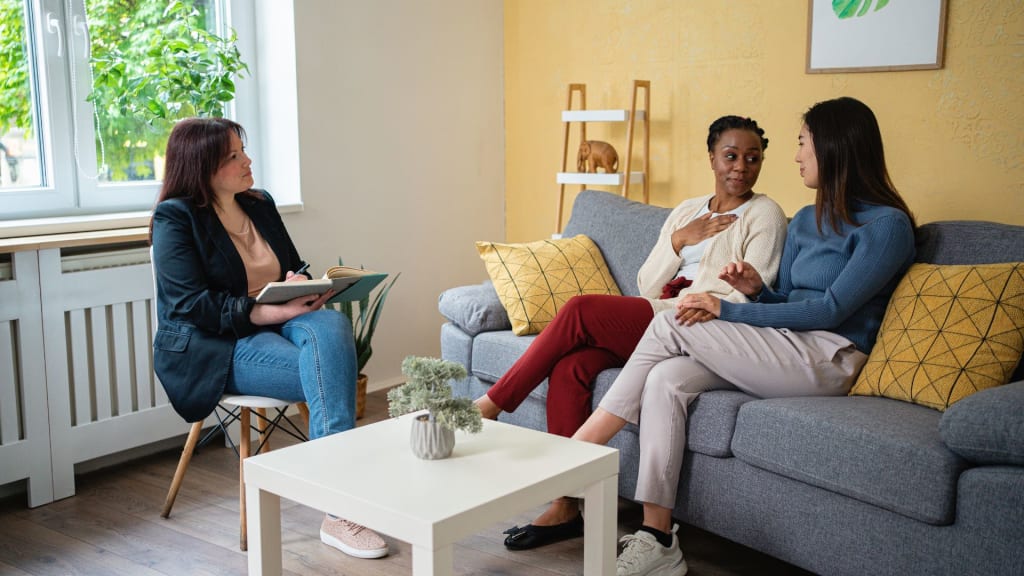
Looking To Work With A Marriage Counselor? Communicate and Connect Offers Marriage Therapy in a Healing Space
At Communicate & Connect Counseling, we understand that relationships can feel overwhelming, especially when communication breaks down or emotional distance grows. If you’ve been wondering how long does marriage counseling take or whether it’s the right step for you, know this: we’re here to help.
We specialize in working with individuals, couples, and families to create long-lasting change. While many approaches rely on quick fixes or surface-level solutions, we take a deeper approach. Our couples therapists focus on uncovering the patterns and cycles at the root of your relationship challenges. By addressing these underlying issues, we help couples move beyond temporary solutions and toward meaningful, lasting growth.
Here’s how it works: First, we’ll work with you to identify what’s causing disconnection or conflict in your relationship. Whether it’s communication struggles, infidelity, or years of built-up frustration, our experienced therapists work with you to map out the dynamics that need to shift. Then, we guide you in developing communication and listening skills tailored to your unique relationship. Over time, you and your partner can repair past hurts, rebuild trust, and create stronger emotional bonds.
The duration of couples therapy varies because every relationship is different. While we can’t answer straight away to how long is marriage counseling or how long couples therapy lasts, we can tell you that some couples see improvement in just a few months, while others may take longer to fully address deep-seated patterns. What’s more important than learning how long does couples therapy last is that you’re willing to put in the work to build a healthier, more fulfilling partnership. We welcome all relationships and meet you where you are, providing the support you need every step of the way.
Our therapy services include everything from individual therapy to emotionally-focused couples therapy. Whether you’re navigating mental health challenges, seeking to improve communication, or working to find closeness again, we offer a compassionate and effective path forward. We also provide online therapy for added flexibility, making it easier than ever to attend marriage counseling.
If you’re ready to take the next step toward healing and connection, let’s get started. At Communicate & Connect, we’re committed to helping couples of all types find their way back to trust, understanding, and love. It’s important to remember you don’t have to face this alone—we’re here to support you on this journey.


