


When the same disagreement keeps coming up, it can feel overwhelming, frustrating, and even a little hopeless. But here’s the truth: conflict doesn’t mean your marriage is failing; it means you both care enough to show up. The real issue isn’t whether you fight, but how you handle it. Research shows that unresolved conflict is one of the leading causes of emotional disconnection in long-term relationships.
IN THIS ARTICLE:
- Why do conflicts in marriage keep repeating
- Tools to support respectful conflict resolution
- How to listen without getting stuck in defense mode
Let’s walk through simple ways to deal with conflict and reconnect where it matters most.
Why Is Conflict Resolution in Marriage So Hard and Why Does It Matter So Much?
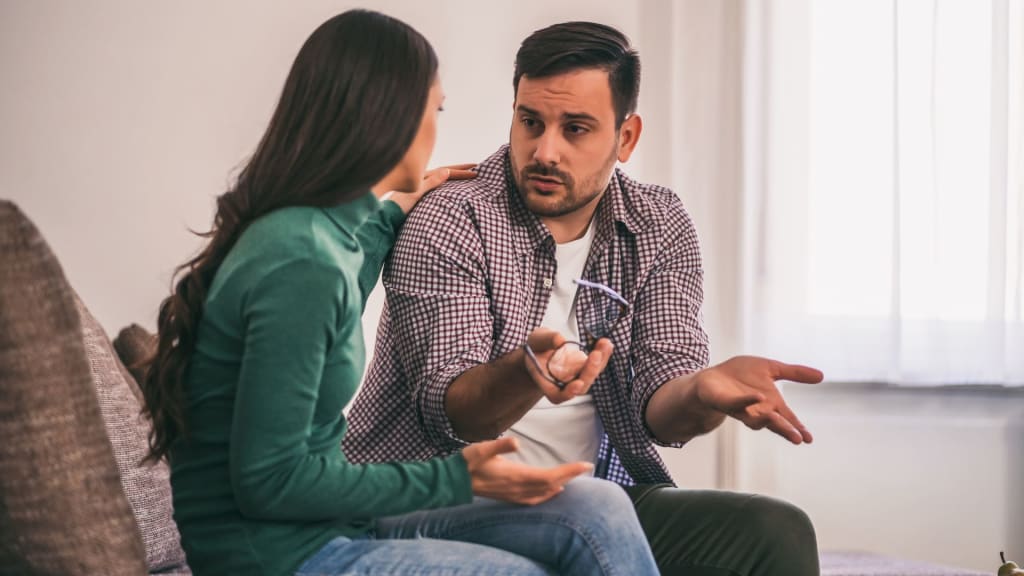
Every couple hits rough patches. Whether it’s heated arguments, passive-aggressive behaviors, or simply drifting apart in silence, conflict in your marriage doesn’t mean something’s wrong with you; it means you’re human.
The Emotional Undercurrents Behind Conflicts in Marriage
So often, marriage conflict isn’t about what it seems to be. It’s not really about the dishes, the budget, or being late. It’s about needs and wants that aren’t being met or understood.
- A desire to feel heard and understood
- Longing for connection, appreciation, or emotional safety
- Fear of rejection, abandonment, or not mattering
In the heat of the moment, it’s easy to miss these deeper emotional signals. But learning to slow down to speak, listen without judgment, and name what’s underneath can change everything.
How to resolve conflict in marriage when it keeps happening?
If the same fight repeats, try to identify the deeper emotional need behind it. Understanding the pattern can help you respond differently. If you’re stuck, marriage counseling can really help.
What Often Gets in the Way of Healthy Conflict Resolution
Even couples who love each other deeply can fall into unhelpful patterns. Common blockers include:
- Defensive strategies like blaming, shutting down, or “yes, but…” responses
- Communication breakdowns that stem from poor timing or misread body language
- Assigning blame instead of taking turns speaking and listening
- Holding back a genuine apology because it feels like giving in
- Trying to “win” instead of trying to understand each other better
According to the American Psychological Association, couples often cite communication problems as a major contributor to divorce, but learning how to resolve conflict is a skill couples can build together.
Why Avoiding Conflict Doesn’t Lead to Peace. It Leads to Distance
Avoiding conflict may feel easier, especially if you’re conflict-averse or emotionally overwhelmed. But over time, unspoken issues and relationship conflict can quietly chip away at trust.
- You stop sharing how you feel
- Small things become big things
- Resentment grows beneath the surface
- Open communication becomes harder to reach
Understanding the emotional layers underneath your marriage conflict, spotting the habits that get in the way, and gently shifting how you both show up during tough moments, that’s where meaningful change begins.
You don’t have to be perfect. You just have to be willing. And with the right support and some simple, grounded tools, you can start to resolve conflict in marriage in a way that actually strengthens your connection instead of pulling you apart.
How to Resolve Marital Conflict Without Causing More Damage
Now that you understand what’s really going on beneath the surface of those repeated arguments, let’s look at what helps. Because even when you love each other, the way you handle conflict in the moment can either open the door to connection or quietly chip away at trust.
The truth is, conflict in relationships isn’t the problem. It’s how you respond that makes all the difference. These small but powerful shifts can help couples navigate marital conflict with more care, respect, and emotional safety.
Slow Down Before You Speak
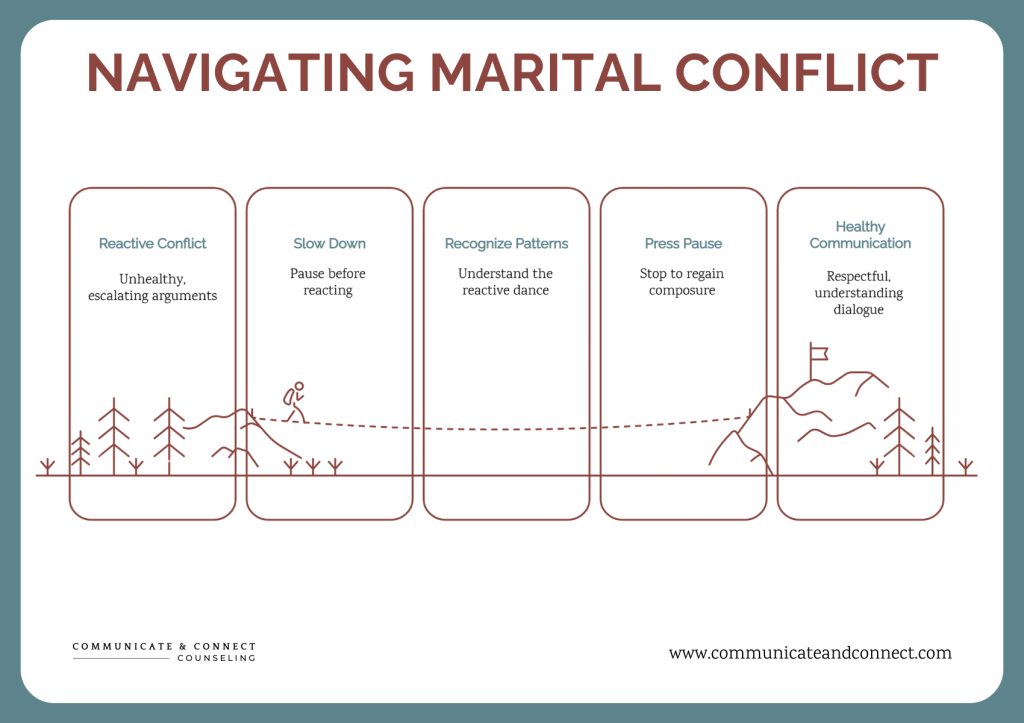
When emotions are high, it’s tempting to react quickly – to defend, interrupt, shut down, or say something you don’t mean. But the first step in learning how to resolve marital conflict is simply to pause.
- Notice the physical signs that you’re triggered: racing heart, clenched jaw, shaky hands
- Give yourself permission to take a short break, even just 10 minutes
- Come back to the conversation when you’re able to listen and speak with more clarity
This kind of conflict management helps prevent escalation and makes room for healthy communication.
Is conflict always a bad thing in a relationship?
Not at all. Conflict is totally normal, and when handled with care, it can actually strengthen your connection. It’s how you repair and reconnect afterward that really matters.
Recognize the “Reactive Dance” You Fall Into
Most couples have a well-worn pattern they repeat during times of conflict. One partner may push or pursue, while the other shuts down or avoids. Sound familiar?
These roles often come from old relationship dynamics and emotional triggers. The key is trying to understand, not assign blame.
- Ask yourself: “What am I protecting here?”
- What’s my go-to reaction when I feel hurt or misunderstood?
- What might my partner be feeling underneath their reaction?
Naming your pattern helps shift from reactivity to understanding and growth, and that’s where real change begins.
Don’t Push Through. Press Pause
Sometimes, the most loving thing you can do in a fight is to stop talking. In the heat of the moment, we’re rarely at our best. Instead of pushing forward just to get it over with, try:
- Using a simple phrase like “I want to get this right. Can we take a pause?”
- Agreeing on a time to come back when both of you feel more grounded
- Offering a genuine apology when you’ve said something that landed poorly
If you’re struggling to manage conflict on your own, you’re not failing. This is where couples therapy or working with a neutral third party, like a trained counselor, can be so valuable. A good therapist can help you address conflict, build new habits, and develop effective conflict resolution strategies that truly support a healthy relationship.

Healthy Communication Is the Heart of Couples Conflict Resolution
It’s all too easy to leave an argument feeling misunderstood, like you were speaking two different languages the whole time. So many couples find themselves caught in loops of conflict simply because communication goes sideways. But learning how to talk in ways that truly land, and how to listen with care, is one of the most powerful ways to strengthen your relationship.
Swap Defensiveness for Curiosity
Defensiveness is a natural reaction when you feel attacked. But it blocks connection and turns productive discussions into emotional standoffs. A better move? Curiosity.
- Instead of “That’s not what happened,” try “Can you help me understand how that felt for you?”
- Notice your tone. Frustration sounds different than openness
- Take a breath before responding; speaking slowly can prevent regret later
Criticism and defensiveness are two of the most damaging patterns in any marriage relationship, but with awareness and intention, they can be replaced with empathy and accountability.
Healthy Communication Begins with Emotional Attunement
When conflict arises, most couples are reacting to how something is said, not just what is said. Emotional attunement means noticing your partner’s cues, their body language, energy, or tone, and adjusting your response accordingly.
- Pay attention to subtle signals: a shift in voice, a sigh, crossed arms
- Practice active listening: nodding, summarizing, and showing you’re engaged
- Use soft starts, not sharp entries: “I’ve been feeling a little off lately…” instead of “You never…”
Attunement helps you deescalate, offers timely repair attempts, and keeps things safe even when you’re upset.
Speak From the “I,” Not the “You”
Saying “You always…” puts your partner on the defensive. Speaking from the “I” helps you own your feelings without blame.
Try:
- “I feel anxious when I don’t know what’s going on,” instead of “You never tell me anything.”
- “I need more time to process” instead of “You don’t listen.”
This shift creates mutual respect, reduces angry words, and makes room for understanding and listening, key ingredients in a healthy marriage.
Healthy communication doesn’t mean never getting upset; it means knowing how to come back to each other with honesty, care, and curiosity. Over time, these small shifts in how you speak, listen, and respond can help you and your partner approach conflict with more confidence and compassion.
How to Deal with Conflict in Marriage in the Little Everyday Moments
It’s one thing to talk about conflict resolution in theory and another to actually apply it when you’re tired, stressed, or annoyed about that thing your partner does again. But the truth is, conflict is a natural part of any close relationship. Learning how to move through those everyday moments with care is where lasting change happens.

Boundaries, Timing, and Tone: Essential Tools for Healthy Conflict Resolution
Not every moment is the right moment to bring something up. Even in a healthy marriage, how and when you start a hard conversation can make or break the outcome.
- Timing matters. Ask, “Is this a good time to talk?” before diving in.
- Use a calm, respectful tone, especially when emotions are high.
- Respect boundaries. If your partner needs space before engaging, honor that.
These small shifts help create safety, a key ingredient in relationship health.
Navigating Hard Conversations in a Healthy Marriage
When something’s bothering you, avoiding it won’t make it go away. But how you bring it up can either create connection or drive a wedge. The goal? Be direct and compassionate.
- Focus on one type of conflict at a time; don’t stack complaints.
- Start with your own experience: “I felt hurt when…”
- Be curious about your partner’s perspective: “Can you help me understand where you were coming from?”
When couples learn to approach conflict this way, they open the door to understanding and growth, even when the conversation is hard.
What are the 3 C’s of conflict resolution?
The 3 C’s are:
– Communication helps you express yourself clearly and listen with care.
– Collaboration means working as a team instead of fighting to win.
– Compromise is about meeting in the middle and staying flexible.
Turn Arguments Into Insight by Staying Anchored in Empathy
It’s easy to get caught in blame. But empathy is what helps you understand your partner and helps your partner feel safe enough to share honestly.
- Try to spot your own blind spots, moments where you might’ve missed their emotional need
- Remind yourself: “They’re not the enemy. We’re on the same team.”
- Practice empathy even when you disagree; it’s the bridge to resolution
These practical tips aren’t about avoiding conflict altogether. They’re about navigating your relationship with more kindness, clarity, and care.
If applying these tools still feels challenging, professional help can make all the difference. A trained therapist can help both of you slow down, stay open, and work through conflict in a way that actually brings you closer.
When You’re Done Fighting but Not Ready to Give Up
At Communicate & Connect Counseling, we specialize in helping couples who are exhausted by conflict but still committed to each other. Using Emotionally Focused Couples Therapy, we guide you in navigating relationship patterns with more safety, empathy, and care.
In marriage counseling, you’ll:
- Understand the root of your conflicts
- Build tools for connection and emotional safety
- Feel truly heard, maybe for the first time in a while
Every couple struggles, and it’s okay to need support. The tools you’ve read about can make a real difference, and if you’re feeling stuck, we’re here to help you take the next step. Whether you’re navigating long-standing tension or just want to feel closer again, marriage counseling at Communicate & Connect Counseling offers a space for healing, growth, and real connection. Reach out!


